Explore Iconic Destinations
Three legendary cities, each with a story centuries deep — monuments that shaped an empire and markets alive with colour.
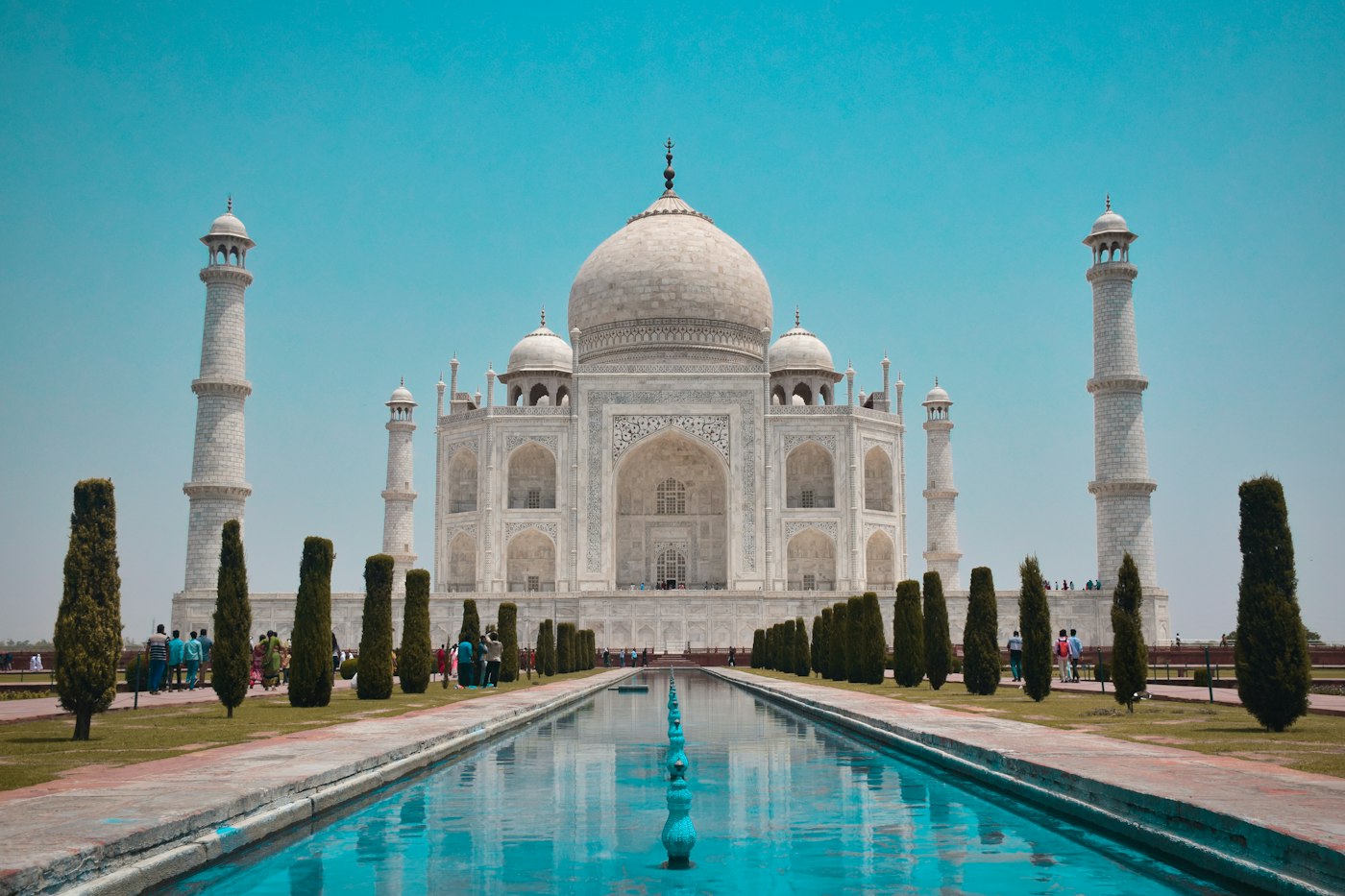
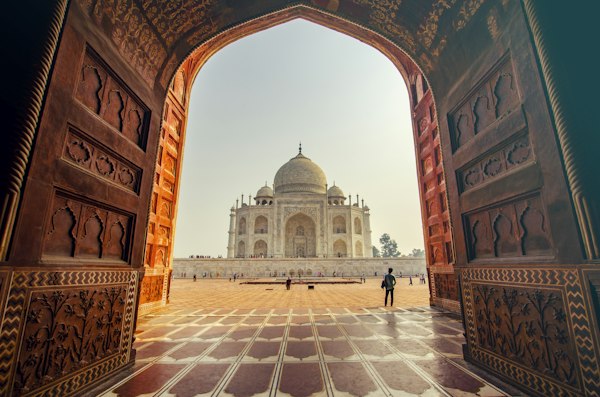
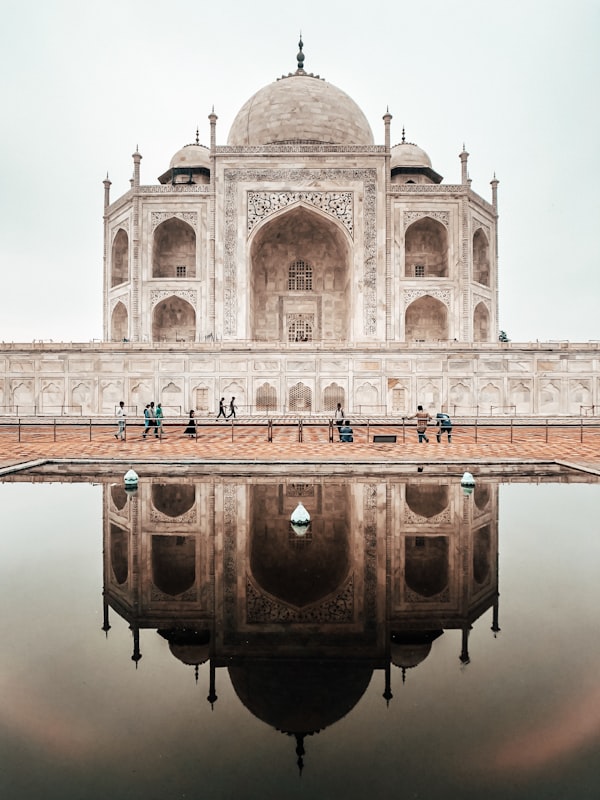
Taj Mahal, Agra
The world's greatest monument to love — catch it at sunrise when the marble glows pink.
Explore Agra →Monuments
Heritage Sites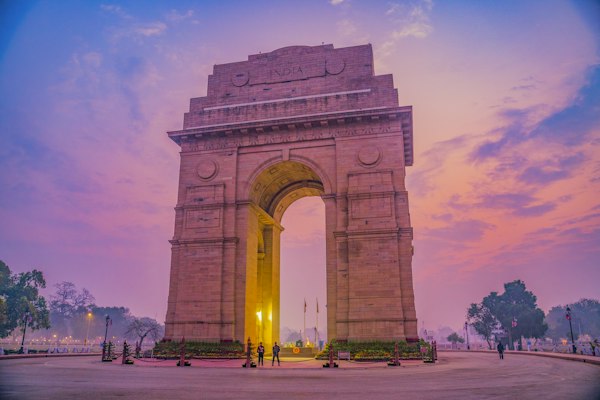
Mughal marvel of red sandstone — where emperors held court and India declared independence in 1947.
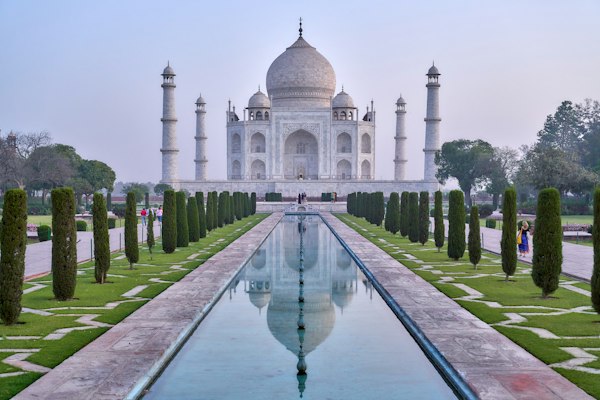
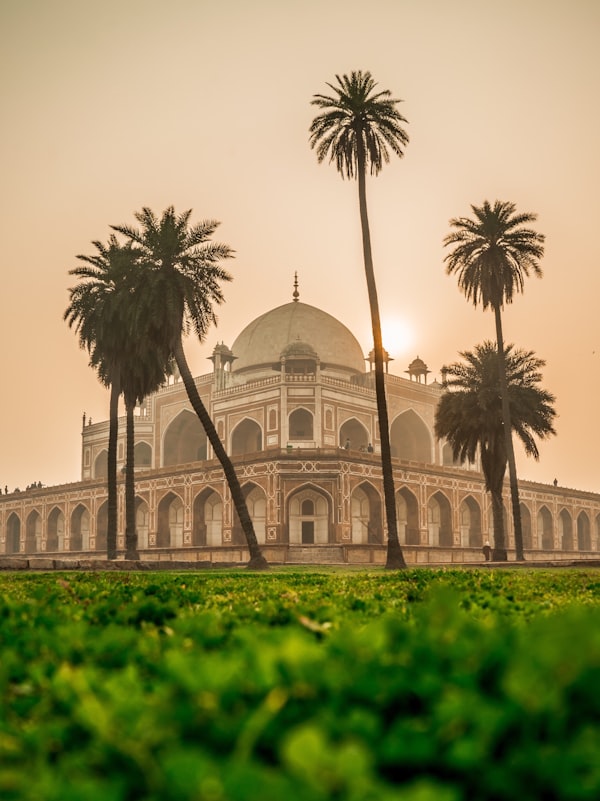
The serene Mughal garden tomb that inspired the Taj Mahal — less crowded and equally breathtaking.
India's largest mosque — climb the minarets for sweeping views over Old Delhi's rooftops and bazaars.
The world's tallest brick minaret at 73 metres, built in 1193 — a UNESCO wonder with the famous rust-free Iron Pillar.
Delhi's iconic 42-metre war memorial honouring 90,000 soldiers — stunning at dusk when lit up in amber light along Rajpath.
A breathtaking Bahá'í House of Worship shaped like a blooming lotus — open to all faiths, set in lush peaceful gardens.

India's largest Hindu temple complex — 234 ornate pillars, 20,000 statues, boat ride, and a spectacular musical fountain show.
One of Delhi's oldest forts built by Emperor Humayun — with a picturesque lake perfect for boating and beautiful evening views.
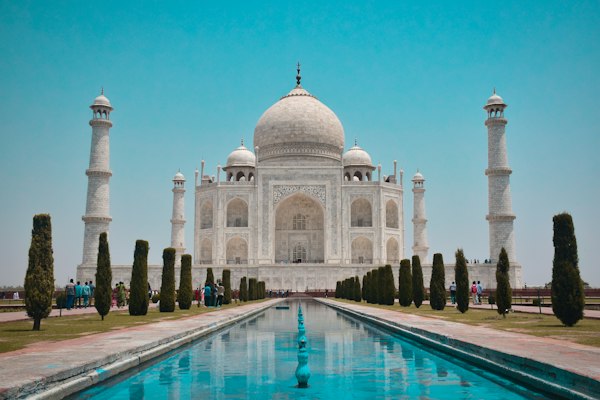
The world's most iconic monument — white marble built over 21 years by 20,000 craftsmen as a tribute to Mumtaz Mahal.
A UNESCO red sandstone fort where Shah Jahan spent his final years under house arrest gazing at the Taj across the Yamuna.
Akbar's abandoned red stone capital — a ghost city frozen in time with the magnificent Buland Darwaza gateway.
Known as the "Baby Taj" — a delicate marble mausoleum with exquisite pietra dura inlay, a hidden gem on the Yamuna bank.
The "Moonlight Garden" directly across the Yamuna — the absolute best spot for unobstructed Taj Mahal views at sunset.
Emperor Akbar's grand sandstone mausoleum at Sikandra — a unique blend of Hindu, Islamic, Buddhist and Christian styles.

The crown of Jaipur — ride an elephant up the cobbled path and explore a palace of mirrors and emerald gardens.
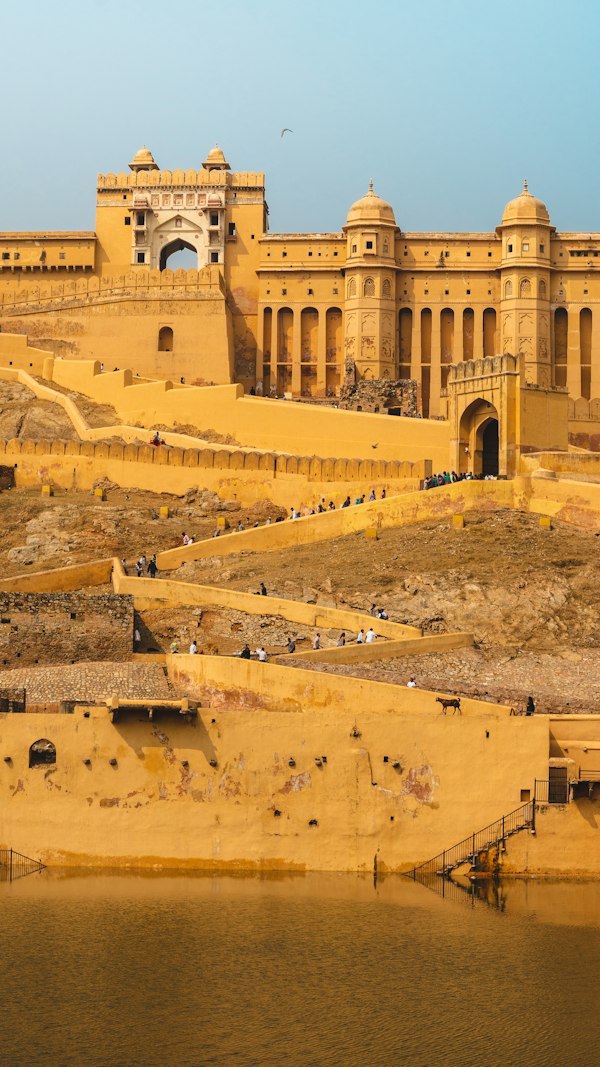
The Palace of Winds — 953 latticed windows through which royal ladies once observed the vibrant street life below.
Still home to Jaipur's royal family — a stunning complex of courtyards, museums and the two famous silver water urns.
An 18th-century open-air astronomical observatory with the world's largest stone sundial — still accurate to 2 seconds.
Perched on the Aravalli hills overlooking Jaipur — the best panoramic sunset view of the entire Pink City.
The "Victory Fort" above Amber — home to Jaivana, the world's largest wheeled cannon, and sweeping valley views.
Rajasthan's oldest museum in a stunning Indo-Saracenic building — Egyptian mummies, royal carpets and priceless artefacts.
Markets
Shopping & Street Life
Delhi's most chaotic and colourful bazaar — spice lanes, silver jewellers, and legendary street food at every corner.
A curated open-air craft village showcasing artisans from every Indian state — perfect for authentic souvenirs and regional food.
South Delhi's favourite market for Indian ethnic wear, fabrics, dupattas and home décor at very reasonable prices.

Delhi's ultimate budget fashion hub — export surplus Western clothing, trendy street wear and accessories at throwaway prices.
Agra's main shopping strip — marble inlay souvenirs, leather shoes, and Petha (the city's famous sweet) everywhere.
A narrow lane market specialising in zari embroidery, bridal wear, laces and traditional decorative trimmings.
Agra's famous leather footwear hub — handcrafted juttis, mojris and sandals made by artisans at factory-direct prices.
Jaipur's heartbeat market — hand-block prints, blue pottery, gemstones and the best Rajasthani textiles.
Jaipur's jewellery quarter — kundan, meenakari and precious stones crafted by families who have worked here for generations.
Famous for lac bangles, traditional jewellery and Rajasthani brassware — one of Jaipur's oldest and most colourful streets.
Jaipur's main commercial boulevard — home to the iconic Lassiwala, modern boutiques and Rajasthani sweet shops.
Traveller Tips
October to March — cool and clear. Avoid May–June (extreme heat). Monsoon brings lush greenery in July–Sept.
Taj Mahal requires pre-booked tickets. Buy online 1–2 days ahead to avoid queues. Sunrise slots sell out fast.
Delhi–Agra Gatimaan Express (1.5 hrs) is the best way. Book AC Chair Car on IRCTC at least a week ahead.
Cover shoulders and knees at mosques and temples. Carry a light scarf — essential at Jama Masjid and Dargahs.
Always negotiate at markets — start at 40–50% of asking price. Fixed-price shops like Dilli Haat are exceptions.
Camera fees apply at most monuments. No photography inside the Taj Mahal's main mausoleum chamber.
